Friday, April 1, 2011

Labor of Love ~ Books for Children on Earth 愛の仕事


I founded Books for Children on Earth in 2000, and have created three children's books (the listed on the right side this blog.) The forth book, "Save the Himalaya" is coming up this October, and the photo above will be the cover. It is about the crisis of the Himalayan environment to educate children (and adults) how to protect and preserve it. Richard Gere, the Hollywood star and a famous Free Tibet activist has kindly written a foreword for me. The Dalai Lama is supposed to write one again for the book as well. I will be donating a few thousand copies to 82 Tibetan refugee schools in India, Nepal and Bhutan by the Tibetan New Year, 2012.

Books for Children is NPO, but there is only me.., and I only accept donations when there is a project. I do not take salary or labor fee from the donations. Books for Children is a labor of love. It makes my heart rich, and make me happy :)

2000年に「ブックスフォーチルドレン」を設立して以来、3冊の絵本を作りチベット孤児たちに贈りました。(過去の絵本はブログの右側にリストアップされています)今年の10月に4冊目「Save the Himalaya」(日本語タイトル未定)が出ます。環境がテーマで、上の絵がおそらく表紙になります。ハリウッドスターでチベット支援運動家でも有名なリチャードギアが序文を書いてくれました。ダライラマ法王もまた、序文を寄せて下ります。私はまたこの絵本をインド、ネパール、ブータンにある82校のチベット難民学校に寄付します。2012年のチベットのお正月までに贈るのが目標。

ブックスフォーチルドレンは、非営利団体ですが、私がひとりで多くのボランティアの方々の支援と共に続けています。絵本プロジェクトが無い時は、募金は一切受けつけていません。絵本を作り孤児たちに贈る時のみ、募金活動をしています。皆さんの募金から、労働費やお給料をいただくことは一切ありません。私にとってブックスフォーチルドレンは、とても個人的なところから来ている愛の仕事なのです。これを続けることによって、心はとても豊かになり、幸せな気持ちになるんです。


These are the Tibetan children at Mr. Dawa's school in Kollegal, India. There is a huge Tibetan refugee settlement there, and Mr. Dawa personally built this school to take care of the children. Some don't have families, some do, but their families cannot afford to send their kids to school. So Mr. Dawa took them in to teach himself. My books go to those schools all over India. I focus on the schools that are more in needs - some are privately run, like Mr. Dawa's, and they have very little funds to run the school. I have visited so many Tibetan refugee schools in India, and have seen many schools that are in terrible condition: class rooms were covered with black mold, no electricity, no clean clothing... So my priority is to send my books to those less fortunate schools in India.

この写真は南インドはコレガルにあるダワさんの学校のチベット人子供たちです。コレガルには大きなチベット難民キャンプがあり、ダワさんは個人的にこの孤児院を建てました。ここの子供たちは孤児もいますが、家族がいるけれど子供を学校へやる余裕がない家族の子供たちもいます。ダワさんはこれらの子供たちをひきとり、個人的に勉強を教えているのです。私の絵本はこのような学校をプライオリティに贈られます。インドには、このようなファンドの足りない学校や孤児院が沢山あります。私はインド中の多くのチベット難民学校や孤児院を訪問しましたが、中には想像を絶するような環境の学校も沢山ありました。クラスルームの壁は黒カビがぎっしりで、電気も無いので真っ暗。風通しも悪く、清潔な衣類も無い、、。こんな学校へ絵本を贈ることが先決としています。


When I visited Kollegal I stayed at my good friend Zoksang's family. The settlement is in the middle of the vast corn field, and there is nothing else there. Their life is very simple. Their morning starts with a morning prayer and a delicious breakfast of vegetables and the homemade bread. All go and work on the corn field all day. We eat dinner early because the electricity goes out by sunset. We go to bed by 8pm and get up with sunrise. I loved the simple life there, but they all told me that they wanted to move to New York. You always want what you don't have...!

コレガルではチベット人の親友ゾクサンの家族の家でお世話になりました。ここには広大なトウモロコシ畑があるだけで、他には何もありません。かれらの生活はシンプルです。朝はお祈りで始まり(みんな仏教徒です)美味しい手作りの焼きたてチベタンパンとお野菜の朝食をいただきます。男性も女性も畑で一日仕事をし、夜は電気も無いので夕方にはディナー。8時頃までには皆寝てしまい、朝は日の出と共に起きるのです。私はこのシンプルな生活がすっかり気に入りましたが、彼らは皆ニューヨークに移住したいと言います。無いものねだりですネ、、!


I fell in love with this wonderful Indian boy at an orphanage in Chennai, South India, and I wanted to take him home with me! He was just like a sunshine!

南インドのチェンナイの孤児院を訪れた時、この素晴らしい少年と出会いました!一緒に連れて返りたいくらい可愛かった!太陽のような子でした!


At the orphanage the children all live together with a house mother. Usually the house mothers are alone in their lives. They all help each other. What was so impressive and moving was that those children all had come from different religious back ground..., but they all respected each other. I often think about those children, and I miss them. My goal is to make "Save the Himalaya" in Hindi, and donate the books to those children in India as well. Wish me luck, and if you would like to participate please join us!

More info:
http://www.rimafujita.com/bfc/en/news/2011/save-the-himalaya.html
https://www.facebook.com/event.php?eid=120933761315304

この孤児院では、ハウスマザーと呼ばれる女性と共に数人の孤児たちが一緒に生活します。孤児院には沢山のハウスがあるのです。皆、助け合って何でもします。私が感動したのは、この孤児たちは皆、それぞれ違う宗教を持っていたのですが、皆がお互いの宗教をリスペクトしていたことです。未だに、この子供たちのことを考えますし、また会いたい、、!私の今のゴールは、新作絵本「Save the Himalaya」をヒンズー語に訳して、インド人の孤児たちへも寄付することです。皆さん、幸運を祈っていて下さいね!そして是非、参加して下さい!

詳しい内容は:
http://www.rimafujita.com/bfc/en/news/2011/save-the-himalaya.html
https://www.facebook.com/event.php?eid=120933761315304

Thursday, March 31, 2011

A Question for you! 皆さんへ質問です!


Does anyone know the name of those flowers? They are blossoming near my house in SoCal, and the fragrance is heavenly! I can smell them from miles away. I'd like to find out the name because I definitely want this flower in my garden one day... please help! :)

このお花の名前を知っている方はいらっしゃいますでしょうか?南カリフォルニアの自宅の近くに咲き乱れていて、その香たるや、まさに楽園そのものなんです!かなり離れたところから香が漂ってくるんです。いつかお庭にこの花の木を植えたいので、ご存知の方、是非教えて下さいね!

Friday, March 25, 2011

Driving in SoCal 南カリフォルニアでの運転


This is the famous steep hill that Tom Cruise rode his motorcycle in the film, "Top Gun," and it is near my house. It is so steep that when you are going up on the hill all you see is the sky! Some say it's scary, but for some reason this hill never scares me. What scares me is the freeways here in SoCal. People drive so fast, and it is really scary! As a so-so driver I have not gone on the freeways by myself, and I have been taking the back roads to avoid them.


上の写真は、トムクルーズが映画「トップガン」で登った急な坂です。我が家の近くにあるこの坂はとても急で、坂を登る時、空しか見えないんです。この坂が怖いという人もいるのですが、なぜか私は怖くありません。私が怖いのは南カリフォルニアのハイウエイ。みんなビュンビュンと凄いスピードで飛ばします。もちろん規定のスピードリミットなんて無視。運転がまだイマイチの私はフリーウエイを避けて、バックロードを使用しています。


I cannot believe that I am writing about cars here! I don't like cars, I don't like driving and I don't have any interests in fancy cars like those photos. However, since we moved to SoCal driving had to be a part of my daily life. I drive a hybrid car, and I love it. My husband drives a mini-cooper convertible, and I love that car, too. However, that is where my interests in cars stop. Cars are not good for the environment, period. I just cannot wait to have an electric car!


私が車について書くなんて自分でも信じられません!車は好きじゃないし、運転も好きじゃありません。これらの写真のような高級車もまったく興味無し。ハイブリッドカーを持っていますが、気に入っていますし、旦那さんはオープンカーのミニクーパー。それも気に入っています。でもそれだけ。車は環境に悪いので、早く電気自動車をゲットしたいです!


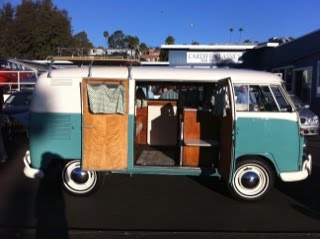
This vintage old BW bus was such a trip! One day we saw this bus for sale, and it was just so cute. It had a bar, nice benches that convert into a bed and a small refrigerator, and it was decorated with the 50's style. I don't particularly like this bus, but there was something very charming and "mellow" about this car that was not intimidating like other fancy cars. It may be nice to stroll down on the SoCal beach coast in this mini bus on a lazy Sunday...

このヴィンテージBWバスは凄かった!ある日、このバスが売りに出ていたのを見ました。可愛かったですよ。冷蔵庫付きバーに、ベッドに早変わりするベンチ椅子。50年代風スタイルでデコレートされていました。このバスが特に好きなわけではありませんが、なんだかとてもチャーミングで「メロウ」な雰囲気があるバスでした。あるレイジーな日曜日に、このバスで南カリフォルニアのビーチコーストを、トロリトロリと走るのも楽しいかも知れませんネ、、。

Thursday, March 24, 2011

Historical moment for Tibet チベットの歴史的瞬間


As of the end of March this year His Holiness the 14th Dalai Lama stepped down from the politics. He resigned as a political leader of the Tibetan government of exile. This is a huge change in Tibet's history since the dalai lamas had been ruling the government for many centuries, and I must say that this is a historical moment. Since the 60's the Dalai Lama has been saying to the Tibetans, "Our political leader should be chosen by people," and he recently said, "The political rule by the spiritual leaders and rajas are now outdated." He officially stepped down despite many opposition. When I heard the news I cried. Tears rolled down as I felt happy for him - he's worked so hard. He is truly a very smart man. He knows that the world is changing, and that the young Tibetans want a political leader who is not a monk.


今年の3月末、ダライラマ14世が正式に政治から離れました。チベットの歴史では、今までずっと何代にもわたってダライラマたちがチベットの政治的リーダーでもありスピリチュアルリーダーでもあったのです。これは革命的とも言える大きな変化なのです。60年代からダライラマ14世は、「政治はチベット国民が投票してリーダーを選ぶべきだ」と主張してきたにも関わらず、そうはいかなかったのが現実でした。「スピリチュアルリーダーやラジャ(王)たちが政治をリードすることはもう時代遅れだ」とダライラマは発言し、多くの反対を押し切って辞任したのです。このニュースを聞いた時、涙が流れました。ダライラマのためを想って嬉しかったのです。働き過ぎというほど働いて来られたから、、。そして彼はとてもスマートです。今の若いチベタンたちが、僧侶でない政治リーダーを求めていることを、よ〜く知っておられる。


I wonder if the Dalai Lama will be meeting the world political leaders less frequently from now on...?  今後、ダライラマ法王が世界の政治リーダーたちと会見することは減って行くのでしょうか、、?


The Tibetans, the young and old, all love and respect the Dalai Lama. However, many young Tibetans seek "independence" of Tibet that contradicts the Dalai Lama's middle way policy. They feel that they have to be more responsible about Tibet's future and get more involved with their politics. On March 20 the election for the next Kalon Tripa (prime minister of the Tibetan government in exile) took place world wide. So many Tibetans went to vote including many elderly Tibetans of age 90! The photo below is the three leading candidates for the next prime minister. From left, Tashi Wangdi, Tenzin Tethong and Lobsang Sangay. I personally know them all, and they are all very smart, talented and great candidates. At the end of April this year the government will announce the newly elected prime minister. Until then, we just have to wait as we hope for the stronger Tibet's future!


チベット人たちは若者もお年寄りも、皆、ダライラマ法王を敬愛しています。でも多くの若者たちは「独立」を希望しており、それはダライラマ法王の「ミドルウエイ(中論)アプローチ」に反することになるのです。若者たちは、過去してきたようにダライラマだけに任せるだけでなく、もっとチベット人たちが責任を持って自分たちの「国」を動かして行かなければならない、、と思うようになったのです。3月20日にワールドワイドで投票が行われました。次のカロントリパ(総理大臣)を決めるためのもので、今までにないくらいの規模の大行事となり、多くのチベタンたちが投票したのです。中には90歳のお年寄りたちも沢山いました!上の写真は、立候補した中のトップをリードしている3人。左からタシ・ウオンディ、テンジ・ンテトン、ロブサン・サンゲイ氏たち。結果は4月末に発表される予定です。それまで、私たちは皆、チベットの力強い未来にむけて希望と共に待つ、、べし!

Saturday, March 19, 2011

Sneak preview 予告


After being a wreck (emotional exhaustion, no appetite, fatigue and over crying) for a week since the tragedy in Japan I am finally putting myself together. Being depressed won't help my country - that I always knew, but I could not help myself collapse. It is a process, I think.

When I experienced the horror on 9/11 I witnessed two types of people's reactions and behaviors. Some people expressed their fear and sorrow freely, and allowed themselves to be a wreck. Some acted perfectly strong and charged as if they were not affected at all. I was in the first category - I got emotionally and physically sick out of fear, sorrow and pain, and I could not help it. However, the latter category people - the strong ones - all became either emotionally depressed or physically ill later on. So, it is a process. Sooner or later we all have to face our fear and deal with our emotions.

Yesterday was the first day that I felt normal since the Japan's disaster. Finally I was able to tell myself, "Rima, you must do something and help your country. You must do much more than just donating money!" Then, suddenly I hit my left foot by accident, and I broke my pinky toe. So now I cannot walk. Oh, my god.

As I was putting ice on my toe I was offered to do a cover for the Kee Magazine that is a high-end luxurious magazine in HK. They are creating a special Japan issue to honor Japan's creativity, and are donating 50 % of their profit to the relief funds. I was dying to contribute to Japan through my art, so of course I said, "Yes."

I drew a young woman who is expressing her confidence, hope and peace towards Japan. Also I put a Japanese crane, a symbol of peace and life flying over the rising sun. I cried as I did this piece, but I was not sad anymore. I cried because I felt a tremendous hope from this woman I had drawn.

一週間、ボロボロ廃人状態(精神的疲れ、食欲不振、疲れ、泣き過ぎ)になっていた私ですが、よくやく元気になりました。落ち込んでいたって日本のためにならないと頭では分かっていたものの、どうしようもなかったのです。これはひとつの「プロセス」なのだと思いました。

9.11を経験した時、2種類の人に分かれたんです。ひとつは、恐怖と悲しみに対して自分を自由に表現して「ひどい状態」になった人。もうひとつは、まるで何も起こらなかったのような強く普通の態度をとった人。感情的でセンシティブタイプの私は最初のカテゴリー人間でした。でも、2つ目の「強い」人間たちも、後から皆、心や体の病に直面したのでした。遅かれ早かれ、人間は皆、いつかは自分の内面と向き合わなくてはならないのですね、、。

日本の悲劇が起こってから初めてきのう、やっとノーマルな自分になれました。自分に「寄付金を送るだけでなく、もっと日本のためにしなくては!」と言い聞かせていた矢先に、左足をぶっつけて、小指を折ってしまった!今度は歩けなくなりました。苦笑

そると、氷で冷やしている最中に、雑誌のカバーを描いてくれませんか?という依頼が飛び込んで来ました。香港にあるハイエンドな豪華マガジン「Kee Magazine」のアメリカ人編集長から電話が入ったのです。日本に捧げる特別号を作っているとのこと。売り上げの半分を援助に寄付するそうです。自分の絵を使って何か国のためにしたいと強く思っていた時。「もちろん喜んで!」と答えました。

若い女性が自信、希望、そして心の平和を表現している作品を描きました。そして平和と生のシンボルでもある日本の鶴が、強く輝く太陽に羽ばたきます。描いている最中、涙が流れましたが、悲しかったからではないのです。自分が描いた女性から、果てしない希望をもらうことができたらからだと思います。


Thursday, March 17, 2011

The Sun Also Rises..in the Rising Sun 日本には日がまた昇る


It's been an overwhelming week since the 9M earthquake, tsunami, nukes and the snow falls in Japan, and I am exhausted. Yet, my exhaustion is nothing comparing to those who are suffering there right now, and my exhaustion won't help anything..., but I am exhausted. So I had to look at something "different" from the countless images of disasters day after day... just to give a break to my eyes and to my broken heart.


マグネチュード9の地震から一週間。地震、津波、ヌーク、そして今は雪。かなり疲れました。私の疲れなど、犠牲者の皆さんと比べたら何でもないし、私が疲れても何の足しにもならないのも分かっています。でも、精神的にも肉体的にも疲れた。数えきれない程見た悲劇の写真。なんだか急に、全然違うものを見たくなりました。傷ついた目と心の保養に、、。


What a beautiful yak in Tibet. I can almost feel the cold, crisp air up in the Himalayan mountains. Hope he is eating enough :)

なんて美しいチベットのヤクでしょう。ヒヤッとしたヒマラヤの空気が感じられます。沢山食べてね。


And this photo... I am speechless. I just want to breathe. Stop for a moment. Just breathe.

そしてこの写真、、。もう言うことないです。ただ息がしたい。一瞬止まって、息をしよう。

Wednesday, March 16, 2011

Japanese aesthetics 2 日本人の美学 2


I wrote my opinion about the Japanese aesthetic yesterday, and I could not believe the amount of responses that I received from around the world. I am stunned by the fact that our Japanese way could be so foreign to others, because to me it is very natural. So today I was thinking about it in further depth, and I'd like to share some personal episodes that show how the Japanese are in certain situations. Now, please allow me to say that I am not writing this to praise the Japanese. We are not perfect. We have many elements that the foreigners do not like: we are often described as "unambiguous" and "too reserved," and that we say "yes" to everything while we constantly shake our heads back and forth!

Too Honest?
A typical Japanese man who honors honesty and respect for others is my father. One day when I was a teenager my parents and I went to a shopping mall near Westchester, New York. My father was driving, and when he parked the car in the parking lot he lightly hit another car. He dashed out the car to check the damage and found a very tiny scratch. So, what did he do? He waited for the car's owner's return for one and a half hours!

The owner of the car was an elderly lady, and she said to my father, "Did you just wait for me to tell me that you had done this?" My dad said, "Yes." "But, why?" The lady did not get it.
"That's how we are!" my dad answered with a smile.

Another episode took place in Tokyo while I was visiting my parents there. One afternoon my father went to a market to buy some groceries to make some Italian dinner. He came home with bags, and he was checking the receipt. Then suddenly he said, "Oh my goodness. The cashier forgot to ring up the tomatoes. I must go back to pay for them."

"Common, Dad! It's just a few tomatoes, and it's not your fault. Don't even bother!" I yelled.
Did he go back? Oh, yes, he did, immediately. That is how my father is, and that is how many Japanese are. Japanese honor honesty and politeness. They take pride in their behavior and respect.

Lost Wallets are Returned Full
When I was growing up as a child in Tokyo it was absolutely common to leave your purses at the restaurant tables to save the seats, and no one would steal them. Nowadays in the big cities the Japanese don't do it any more, but in small towns and villages strangers still trust each other today.

Lost & Found is very reliable, too. At stations, department stores, police stations... most of the items you lose are returned, even the wallets full with money in them!

Karma
So what keeps the Japanese away from behaving "badly" in general? (Of course I'm not saying that there is no crime in Japan.) As I wrote yesterday, the philosophies of "Bushido" (the way of the samurai warriors) and Buddhism, and the 'wish to avoid shame' are deeply rooted in our cultural behavior, but also as for many older Japanese, the honest and polite behavior came from their wish to avoid "God's punishment." My grandmother often said to me, "If you are naughty the punishment will fall from heaven on you." I am not sure if my grandmother seriously believed it, but I think what she meant was creating your "karma."

Karma is not a punishment. Karma means "cause and effect"- what you do simply comes back in some ways. Buddha talked about cause and effect, and he taught how to control your mind. Japanese are extremely disciplined, and they can endure with a great deal of patience.

Patience is considered honorable
Patience. It is taught in early age in Japan. In my kindergarden I had a tea ceremony class every Wednesday, and we all had to sit like this (see the photo below) with good posture for an hour. It was hard for us as little children who would rather run around than sit still. I also had a "prayer class" (equivalent to a meditation class) that you sit with your eyes closed and try to be still. That was not easy either.

So, whether good or bad, these cultural elements of the Japanese have been helpful to put the tragic nation together at the moment. People are staying calm patiently. I am so proud of the Japanese people, and as a Japanese who grew up in New York, I must learn from my people in Japan. It is my time to go back to my deep roots, and learn from my ancestors who were dignified warriors. I am the "daughter" of the last samurais after all.


きのうのブログで「日本人の美学」について書いたところ、世界中から沢山のメールが殺到して驚いた私です。インドのウエブマガジンに掲載され、アメリカはニューヨークの大手ファッション誌から取材の電話も入りました。日本人の私にとって、日本人の在り方がここまで外国人に不思議がられるかにびっくりしています。ですから、今日もまた深く、日本人の美学について考えていました。そしていくつか個人的なエピソードをシェアさせていただきたいと思います。でも、ここで日本人を世界に賛美しているわけではないのです。日本人も人間だからパーフェクトじゃない。世界からは「何を考えているか分からない」とか「何を聞いてもうなづきながらイエスと答える」とか言われていますよネ。笑

正直すぎる?

正直という典型的な日本人に、私の父がいます。私がまだティーンエージャーの頃のある日、両親と一緒にNYウエストチェスターにあるショッピングモールに行った時のことです。運転していた父は、駐車場に車を止める時、近くに駐車されていた車に少しあたってしまいました。父は飛び降りて傷をチェック。ほんの小さなかすり傷ができていたんです。そこで父がとった行動は?その車の前で待つこと1時間半。傷のことを伝えるためにその車のオーナーが戻って来るのを待っていたんです。戻って来た女性は不思議そうに父に、なぜそんなことをするんだ?と尋ねました。父はニッコリと笑って「それが日本人というものです。」と答えたのでした。

もうひとつのエピソードは東京で起こりました。NYから東京に帰国した両親を訪ねていた時のある日。父がイタリア料理を作るためにスーパーに買い物に行って戻って来ました。レシートを見ていた父は、突然、「あ!レジのお兄さん、トマトを打ち忘れている。支払いしてこなくちゃ。」
「ええ〜っ!そんなトマトくらいいいよ。パパのせいじゃないし。今度払えばいい!」と私は言いましたが、父はさっさと払いに行ってしまいました。正直で礼儀正しく周りに敬意を持って行動する。そして、そうあることにプライドを持っている。父だけでなく、このような日本人が殆どなのではないかと私は思っています。

お金が入ったままのお財布
私が子供の頃は、レストランなどでテーブルの席を確保するために、自分のハンドバッグなどを椅子に置いたりしておトイレに行くのが当たり前でした。さすがに今は都心では誰もこのようなことはしないと思いますが、田舎ではまだ人々が信頼し合っていて、このような行動をする地域も沢山あるそうです。

また駅やデパート、交番などの「落とし物」部署でも、未だにお金が入ったままのお財布が届けられたり、たいていの物は、みつけた人がそのまま届けるケースが多いと聞きました。

カルマ
それでは何が日本人を一般的に悪い行いから遠ざけているのでしょう?(もちろん日本に犯罪が無いなんて言っていませんが、、、)
きのうのブログでは「武士道」や「仏教」の哲学が、我々の文化や在り方に浸透しているのではないかと書きました。そして、恥を慎む精神。あと思ったのですが、幼い頃、よく祖母から「悪いことしたら罰があたるよ」と言われたのを思い出しました。今思うには、祖母が言わんとしていたことは、カルマのことだったのではないかと思うのです。

「それはカルマだ」は「罰があたった」ということではありません。カルマとは因果関係を意味し、「原因と結果」のことです。自分がしたことが何かしらの形で戻ってくる。ブッダは因果関係について語り、己のマインドをコントロールすること(心を静めること)を教えました。日本人は非常に忍耐強く、我慢をする規律を持っているのですね。


我慢は美学とされている
我慢。忍耐。日本では子供の頃から教えられますよね。私が通った幼稚園では毎週水曜日の午後に、お茶の時間のクラスがあって、一時間くらい正座をしてお茶とお菓子をいただく作法を教えられました。じっと座っているよりウロチョロしたい子供にとっては難しいことでした。そして「お祈りの時間」。今思えば、あれは瞑想のクラスのようなものですが、目をつむり静かにしているのは容易でなかったな。


これからの日本人の美学が、悲惨な状況に陥った国をひとつにまとめているような気がします。親切な日本国民は皆、優しく労り合い、冷静に忍耐強くがんばっている。アメリカ育ちの私は、そのような日本人の素晴らしさを見習わなくてはなりません。私の深いルーツに戻る時であり、堂々たる武士であった自分の先祖たちから学ぶことをみつけることの大切さを感じています。最後のサムライの子孫ですから。
Copyright©Rima Fujita 2009 All rights reserved.